“In learning you will teach, and in teaching you will learn. A personal reflection on the process of facilitation”
The above line is from the song “Son of Man” by Phil Collins and it aptly describes the spirit of my reflections on the process of facilitation. I would like to start by inviting you to think about this question: “What if the real magic of facilitation isn't just about the techniques we use, but the ongoing journey of learning and growth it sparks within us?”
In this article, I’ll walk you through my own journey with facilitation and the important lessons I’ve learned along the way. My love for learning how to facilitate is still as strong as ever. The more I dive into it, the more I realise there’s so much left to discover. As I’ve worked with both adults and children, my understanding of facilitation has evolved. To me, facilitation is an act of receiving somebody else’s experience.
Facilitation has been an integral part of my development as it has played the role of a midwife for ideas and curiosity. Each day, every session, each classroom experience, even the words and moments of silence, continue to shape how I see facilitation and widen my understanding of it.
Facilitation is no accident – it’s a thoughtful, intentional process. It’s something we (facilitators) do for others (e.g., participants) with a clear purpose in mind, shaped by the context, tools, and resources we use. (Source: Vishwas Parchure)
Facilitation isn’t something you can fully learn from a manual; you truly get better at it through practice. But one thing often overlooked in the facilitation community is the importance of reading. Skipping it can lead to assumptions based on past experiences alone. Yes, reading takes time, but it’s always worth it.
The beauty of facilitation is also about being comfortable admitting when you don’t have all the answers – and we’ll dive into that more later. Personally, I do a lot of reading and take my preparation seriously. For instance, if I’m facilitating a session on body image, I start by writing down as many questions as I can think of. Then, I try to answer them myself, and for the ones I can’t, I do some research online. It’s a simple but effective way to get ready as a facilitator and ensure you're well-prepared for your session. Building on my point about facilitators intentionally engaging with a variety of interesting and general topics, an unplanned group discussion with my participants about rappers unexpectedly became the perfect gateway into exploring the topic of body image.
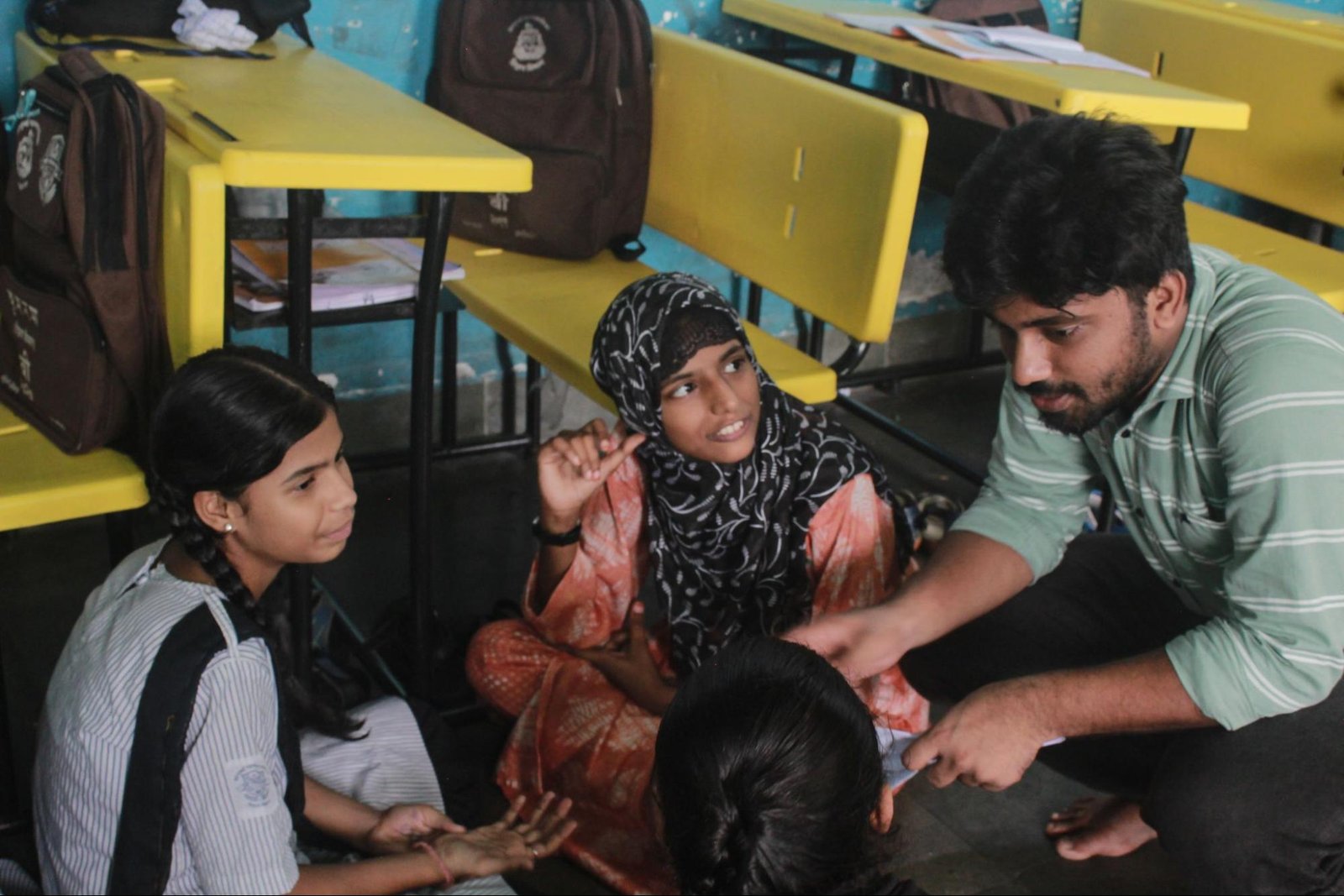
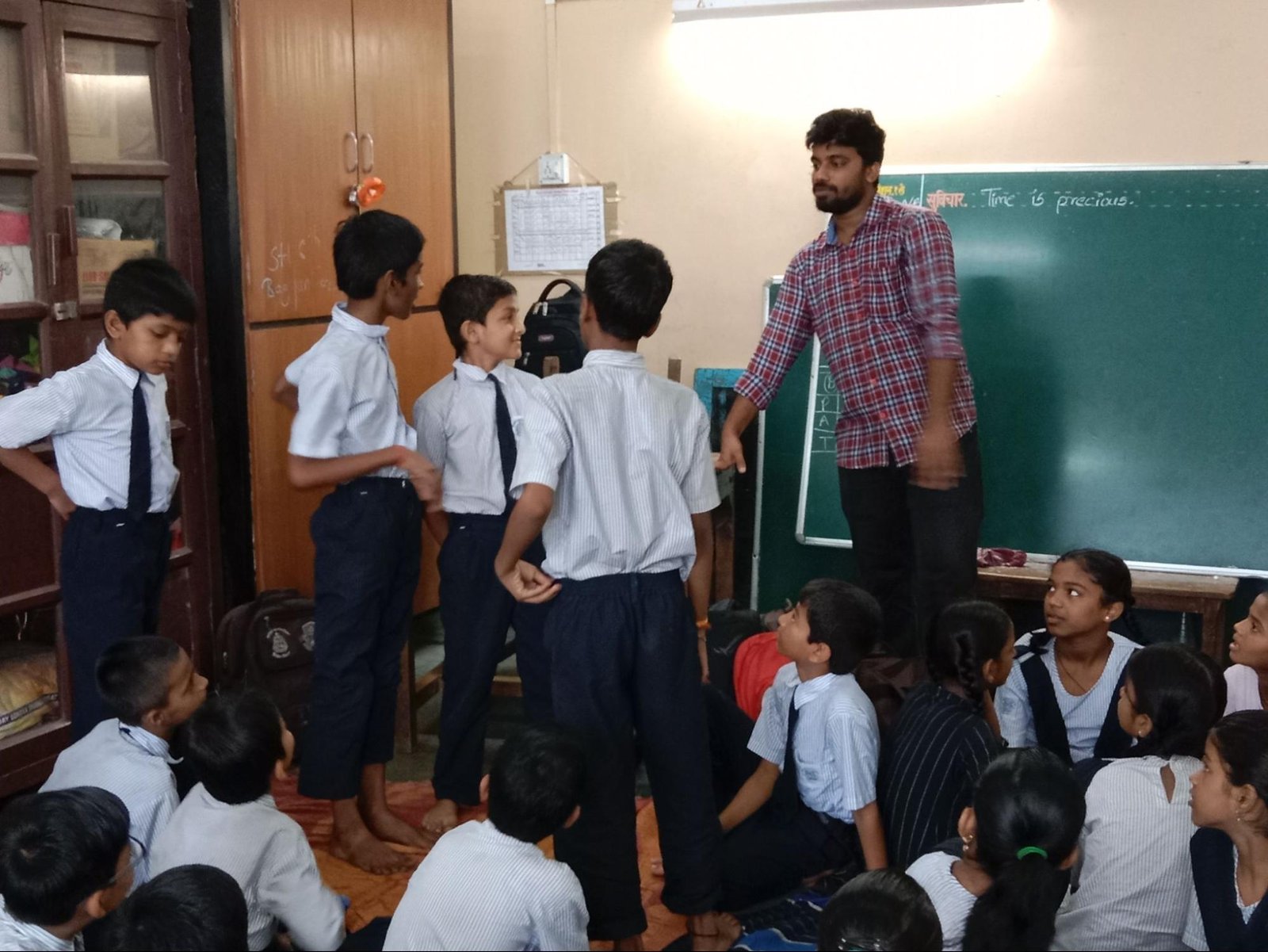
When I facilitate a session with students and teachers, I always remind myself—it’s not about me, it’s about them. I’m just there to guide. This self-awareness helps me anticipate and manage potential challenges that may come up. One technique I often use is called the "Double Bind." This happens when there’s a disruption, and you or the participants are stuck in a loop, unsure of how to move forward. The key is to shift responsibility to the participants themselves, allowing them to take ownership of their actions. This is where the facilitator “being in the zone” or “going with the flow” comes in—when you’re fully present and aware, you can better shape the way forward. Trust me, it works.
For example, during a session with a group of 7th graders at a shelter home, I was struggling with their constant chatting and disruptions. I paused, smiled, and, with genuine curiosity, engaged with one of them, Vijay.
Facilitator: “Hey Vijay, do you feel this class is helping you?”
Vijay: “Hmm, yes brother*, but I’m getting a little bored.”
Facilitator: “Is there anything I or the class can do to help you stay engaged?”
Vijay: “Brother, I don’t know.”
Facilitator: “Do you think this topic will be useful to you?”
Vijay: “Yes, brother.”
Facilitator: “Can you give me the next 30 minutes of your full attention?”
Vijay: “Yes, I can do that.”
Facilitator: “Are you sure?”
Vijay: “Yes, trust me.”
Facilitator: “Of course, I trust you, Vijay.”
(*some young people I work with address me as “brother”)
And believe me, Vijay gave his best for the remaining 45 minutes of the session. He realised he was responsible for his own learning, and he knew I wasn’t going to shout at him. He also understood the importance of the session. From that moment on, whatever decisions Vijay made, he made with responsibility and for his own growth. This approach fosters a sense of ownership in students, and it helps build trust and engagement in the classroom.
Enabling people requires a lot of love and patience, and we must dedicate time to our participants. Without curiosity and the act of asking questions, we cannot truly clarify or understand. It’s essential to approach this process without passing judgement. Facilitation is a kind and compassionate endeavour, and facilitators act as midwives of ideas, carrying a significant responsibility in nurturing growth. One effective method I use to foster this judgement-free environment in my classroom is called "The Switch," which revolves around three magical words: Stay Curious, Ask Questions, and Seek Clarifications. If a student isn’t paying attention, I ask questions; if chaos arises, I invite curiosity into the discussion. By avoiding assumptions and always seeking clarification, we create a space where everyone feels valued and supported.
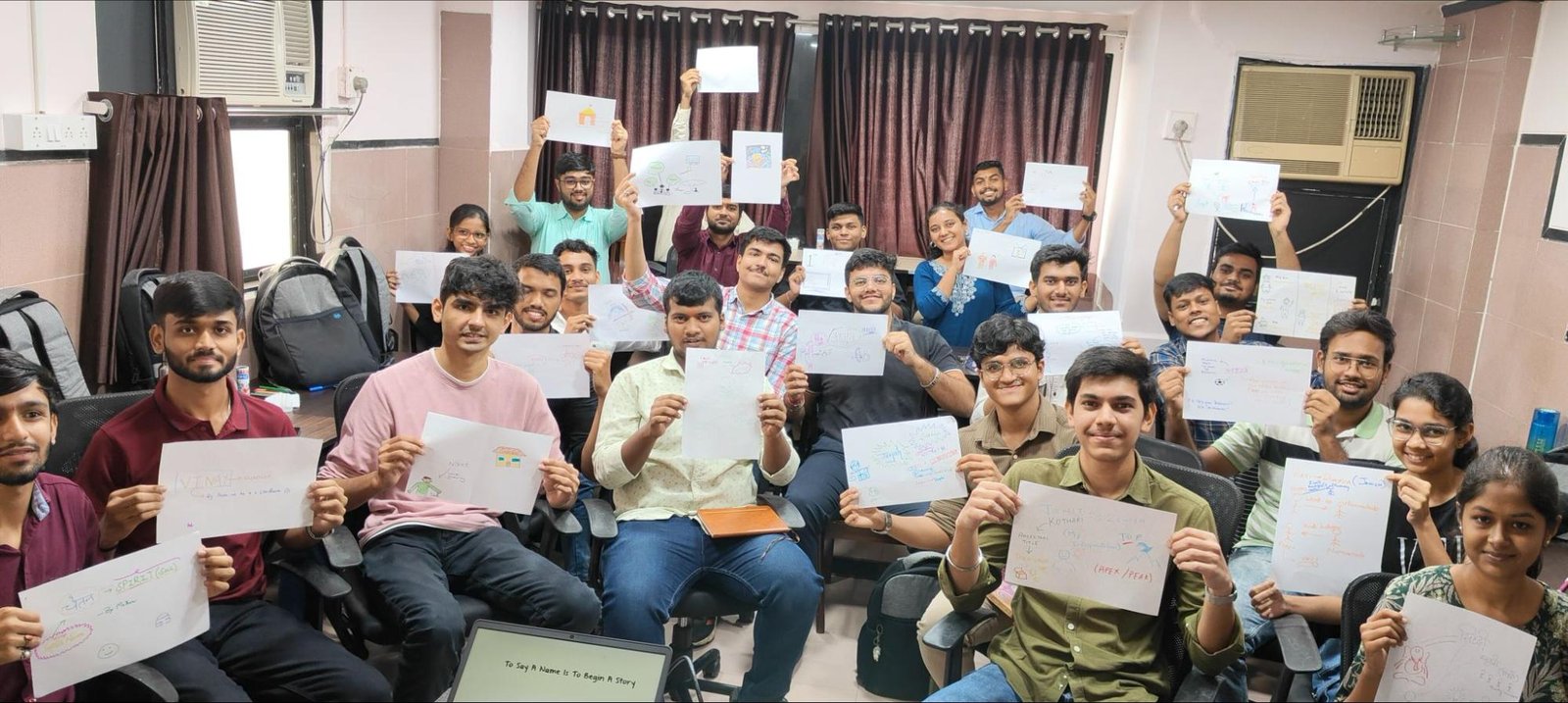
As the title suggests, “Facilitation is not a destination; it is a process.” Through my reflections and experiences, I’ve come to understand that facilitation is an ongoing journey of learning and relearning. I hope to spark conversations around the topics I’ve covered here and co-create opportunities to exchange our wisdom and grow together.
Shahbaan Shah is a dedicated facilitator with 10 years of experience specialising in Social Emotional Learning sessions for children, young people, educators and corporates. A Sociology graduate from Wilson College, he is deeply influenced by principles of experiential learning, diversity, mindfulness, and narrative practices.
Shahbaan holds a Diploma in Experiential Education Practices from Pune. His work is informed by curiosity and hope, focusing on creating engaging and inclusive learning experiences that foster collaboration and personal development in an effort to guide participants towards their full potential.
Discover more blogs focused on communication, leadership, culture, mindset, learning, and human capability transformation.
Students, teams, or leaders